
My fear doesn’t only come from my delusions

Riceviamo e pubblichiamo un prezioso contributo di una persona che si è rivolta al nostro sportello di ascolto e supporto sociale per la comunità, il cui centralino è contattabile al seguente numero: 0282396915 da Lunedì a Venerdì, ore 12.00-14.30 / 19.00-21.30

My fear doesn’t only come from my delusions. 

I understand that some people might be scared of me as a person who has experienced psychosis, most media tend to depict people like me in crisis as antagonists in movies or use it interchangeably with psychopaths or sociopaths. I have only met some few that has told me about their experiences in this field of reality. 

They aren’t monsters and I would not like to see myself as a monster. 

I struggle with a lot of things in my life, sometimes its the fact that the radio might talk about me or that the people around me do, even though they might not. I understand that hallucinations might sound quite scary for someone who hasn’t experienced them and also I am scared, but I passed through it, now I’m here on the other side, without the amplified voices of my loved ones speaking about putting me in a cell. But I wouldn’t say that my fear comes from there; for me the fear nowadays stems from the fact that I have been pathologized by psychiatrists and those people put me inside of a corridor. 

So I wanted to share that, this is parts of my story as someone who has been forcefully in psychiatry.

They assesed every single behavior under a lens and decided whether or not that was sane, they took things like guitars or my cuddlebears and turned them into dangers. They took every single pill they could find to try to stop my mind from running rampant. But they made me more sick, not because of the pills, but because of the corridor. I think I was sick in the real world because I couldn’t handle the fact that everything was falling apart, the life that I had built for years I saw falling apart. And then they put me in a corridor; blamed it on some cannabis and called it a day. 

I was a freak, in every aspect that needed to be cured.

And for everything they tried I became more sick, I was jumping from windows allegedly in the ward, I was having people constantly watching me, at some point they locked the access to my bathroom because I had gone to hide inside of there. 

And me? 

I can’t remember these things written in my journals.

But I’m sure that the things would’ve made complete sense if you understood where my mind was inside of that place, if you understood what my motivations were. 

My mind had escaped, it didn’t exist in the corridors any longer. 

It existed in the walls. 

My escape was always those things they used to punish me for. Not because I wanted to die but the fact is that I saw a glimpse of hope in every time I tried to swing out through those iron bars that they had put on the windows. Because I imagined they would’ve vanished, I imagined that if I opened the door of the fire hose in the wall I would be able to escape with miss peregrine, she would have a portal to her time zone in there, I imagined that if I believed it hard enough it would become true. If I pulled the roots of the flowers on the glass balcony they would’ve been mandrake roots, those in Harry Potter that I used to read of as a child.

I’m not talking about this figuratively, I’m talking about as this was my reality. 

Miss peregrine, the mandrake roots existed, and if I just would’ve believed it a little bit harder, the iron bars on the windows would’ve disappeared. 

At night I would even think that I was an AI, I would see that sequence in the horror movies when they subsequently turn off the lights in front of you.

I thought I was an AI closed in a test facility in the forest simply because I was too powerful. I had probably gone rogue. Because there was no other explanation to how they could’ve treated me like this. 

Why would they put me in a corridor? The same kind of corridor that they put criminally insane people just around the corner, after a court order. I didn’t get a court order and despite that a psychiatrist decided that I would be more safe in a corridor without a guitar and my teddybear. Even with a court order this would be inhumane.

And I keep on trying to tell everybody about this, I keep on trying so hard to express that everything was stripped away from me at some point, so much that reality didn’t exist anymore and I was punished for it, I tried in all kinds of ways and there was no sane way that would’ve made me happy. 

I was horrified. 

I was horrified that all of these things that gave me meaning inside of that corridor was taken away. Because that was my illness. 

In the end regardless if I had the sanity to do it or not they made me sign a paper that it was okay to treat me with ECT, that nowadays is called Electric convulsion therapy which used to be called Electric shock therapy. A Commissioner from the European Council for human rights critiqued my home country back in 2017 for using ECT under forceful treatments. But I was one of those people. 

Some nurse has jotted down in my journals that “I’m scared of losing my memories while I’m walking through the corridor”, that I seem anxious before the treatment. The doctor has written in my journals:

“The patient has been helpseeking and accepted ECT voluntarily, but if she will oppose herself to this, this will be ordinated with force.”

For half a year after that I was thoughtless, there was nothing in my brain, there were no words when I tried to speak and I was scared, that I would never get my speech back. I would not feel anything. 

And to this day I don’t dream, I have dreams when I sleep but there is nothing that I want to achieve in my life. I can not say that I am proud of myself or my existence in this world. 

I do design and the things that have saved me is that I’ve tried to maintain interest. My school constantly keeps on wanting me to cram out ideas like I will never run out. 

There will always be a great new idea. 

But my great new idea is that I am seen, that somebody can relate to my pain. That it will never happen again, to anyone. My great new idea is that I will heal and that I will dance and imagine things so big that I could make them come into this reality. Worlds that people could relate to, with Harry Potters and miss peregrines and mandrake roots. My great new idea is that we care about one another and that I can do so without being scared. That I can love without being scared. 

So that when I say that I am scared, nobody will lock me in a corridor ever again, so that when I say I dream they won’t stuff me with pills, so when I love there will be no electric shocks, so when I forget, someone will make an effort, to create new stories with me, and I will not be left to fend for myself.

If this text resonates with you, or if you want to share your own experience, you can contact:

Brigata Basaglia to reach me or directly reach me on: arctonyxxia@proton.me

Marco Cavallo libera tutt*

Pubblichiamo qui di seguito l’intervento della Brigata BASAGLIA
letto al corteo di Marco Cavallo libera tutt* per l’abbattimento dei CPR e contro la detenzione amministrativa, del 20 settembre 2025

Buongiorno a tutt*, siamo la Brigata Basaglia, un collettivo che si occupa di salute mentale con un approccio basagliano, radicale e conflittuale, e vorremmo condividere alcune riflessioni sui CPR.

La prima, su cui si fonda ogni nostra pratica e azione, è la convinzione che i CPR siano gli eredi dei manicomi, con cui condividono gli obiettivi di abuso, tortura, deumanizzazione delle persone rinchiuse.

Come per i manicomi 47 anni fa, non esiste nessun altro destino possibile per i CPR se non essere riconosciuti come istituzioni totali, luoghi di segregazione e controllo, lager inammissibili nella nostra società che, per questo motivo, devono essere immediatamente chiusi e mai più riaperti.

Se poi proviamo a pensare al tema della “salute mentale” nei CPR, ci accorgiamo come questa sia totalmente negata. Anche solo poter pensare di considerare una persona “idonea” alla permanenza in un CPR è contro i basilari principi di umanità e cura, di cui come professionisti sanitari dovremmo farci portatori. E’ sufficiente portare l’esempio dell’abuso di farmaci, ampiamente documentato, che è una forma di tortura sul corpo delle persone migranti.

Riconoscere la continuità delle pratiche neo-manicomiali nei CPR, come anche nelle carceri, è fondamentale per comprendere che non basta la chiusura dei luoghi, ma è necessaria una profonda riflessione sulle pratiche che in quei luoghi nascono e che vengono portate avanti dentro e fuori. 

Non basta lottare per l’abbattimento dei muri, ma è necessario interrogarsi su cosa rimane dentro di noi: cioè uno sguardo e delle pratiche di stampo coloniale che impediscono alle persone di autodeterminarsi. La lotta per la chiusura dei CPR deve dunque essere accompagnata dalla critica all’assistenzialismo del terzo settore.

Dietro il linguaggio dell’aiuto e della protezione spesso sono sottintesi paternalismo, infantilizzazione e a volte anche sfruttamento. Lavori sottopagati o apparentemente ‘volontari’, corsi e mansioni decisi dall’alto, incasellamenti basati su genere e origine. Questi spesso non rappresentano strumenti di emancipazione, ma modalità per incanalare le persone in ruoli sociali già decisi dalla societá suprematista, classista e patriarcale. 

Lo Stato, le istituzioni, chi dirige cooperative, associazioni e fondazioni del privato sociale -insomma chi detiene potere- sono per lo più bianchi, occidentali, spesso benestanti e si pongono come guida, come modello a cui la persona migrante deve adeguarsi, riproducendo quasi sempre la divisione dei ruoli e le gerarchie di genere. Queste pratiche non emancipano, ma riproducono le stesse gerarchie razziste e sessiste che giustificano detenzione e deportazioni, oltre a basarsi sullo sfruttamento di operatori e operatrici precarie e sottopagate. La retorica del ‘noi che integriamo’ e del ‘loro da salvare’ serve a legittimare lo status quo e a mantenere le persone in una condizione di dipendenza. 

Eppure nei CPR e fuori da essi non mancano le resistenze quotidiane: chi rifiuta ricatti, chi protesta, chi rivendica la propria dignità. Per questo la solidarietà autentica non può consistere nel parlare al posto loro, né nel trattarli come vittime passive, significa piuttosto sostenere la loro forza e la loro capacità di lotta, riconoscendo in pieno la loro autonomia e soggettività contro frontiere, muri e stigmi.

Marco Cavallo è un simbolo di liberazione e di creatività, un simbolo che è stato riprodotto anche in altri contesti di violenza e abuso, come a Jenin, in Palestina, dove un cavallo è stato costruito con i resti delle armi usate da Israele per occupare, uccidere e annichilire. La lotta contro la violenza totale dei CPR é interconnessa con la solidarietà alla resistenza palestinese che si oppone alle politiche genocide e disumanizzanti dello Stato di Israele.

Occuparsi di salute mentale significa anche questo: rompere le regole attraverso la radicalità, la solidarietá internazionale e la creatività, vedere la possibilità di cambiamento dove sembra non esserci, trovare una strada per realizzare l’utopia. Come diceva Basaglia: “…iniziare a fare quello che ritenevamo impossibile…”.

Per farlo è necessario un cambiamento profondo, fuori, ma anche dentro di noi, un cambiamento che ci faccia stare scomodi nella nostra pelle e che ci trasformi per poter abbattere davvero tutti i muri.

Fuoco ai CPR!

Il Galeone in tempesta

Condividiamo con profonda tristezza e rabbia il comunicato di Casa Galeone. Un luogo ricco di storia e affetti e che ci ha ospitato più volte. Un luogo libero e in ascolto, dove come Brigata Basaglia abbiamo potuto condividere riflessioni e punti di vista insieme alle nostre compagne e compagni della rete antipsichiatrica.

Questo sfratto-sfregio è l’ennesima conferma (di cui non avevamo bisogno) di quanto infame e insensato sia il modo di vedere e vivere il mondo di chi ha voluto a tutti i costi la fine di questa esperienza. L’ennesima misera vittoria di un modello basato su questa logica prepotente, che mercifica la vita e calpesta la dignità altrui, condannando il tessuto sociale all’ulteriore inaridimento e il suolo agricolo all’ennesima desertificazione predatoria, nel tentativo di cancellare ogni forma di cura.
In un mondo così distorto, è sempre chi opprime a dettare legge, mentre chi resiste viene sfrattato.

Auguriamo alle nostre compagne e compagni di Casa Galeone lunga vita. Non saremo silenziat* o cancellat* da questi mediocri.

Samah Jabr: Il trauma collettivo del popolo palestinese

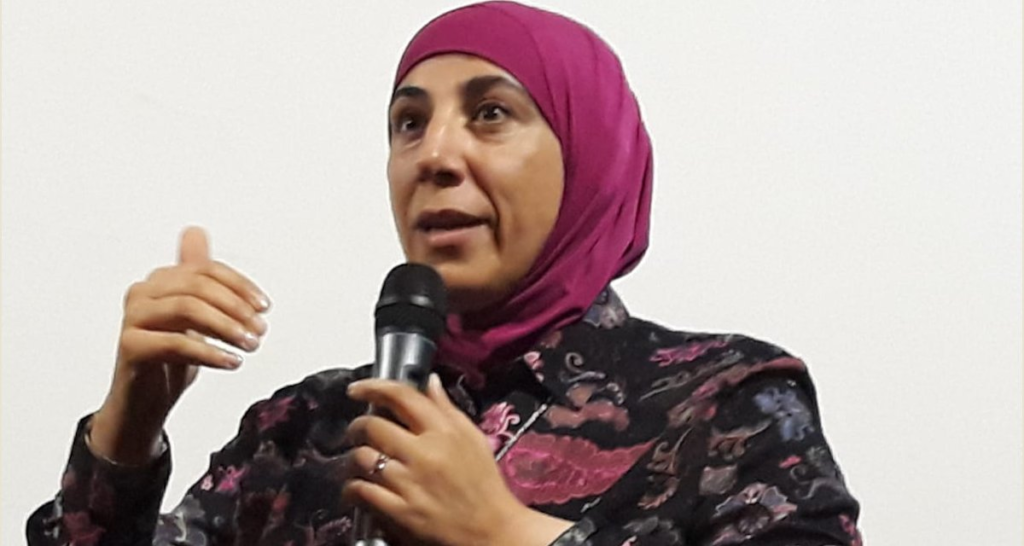
Samah Jabr è la presidente dell’Unità di Salute Mentale del Ministero della Salute palestinese. Il suo lavoro e il suo attivismo mettono in luce come l’occupazione israeliana sia un intreccio di un problema politico e di questioni legate alla salute mentale. L’intervento di Samah Jabr al nostro festival Contatto: pratiche di resistenza e liberazione, svoltosi lo scorso maggio presso la Cascina Torchiera, ci fornisce uno scorcio del trauma collettivo e generazionale dell’occupazione israeliana, della resistenza palestinese nell’organizzare i propri servizi di salute e dell’importanza della solidarietà internazionale nel creare reti di complicità e supporto. In un contesto globale in cui le istituzioni accademiche e mediatiche silenziano e ricattano le voci dissidenti, abbiamo ritenuto imprescindibile riportare le parole di Jabr, le quali ci aiutano a capire gli eventi delle ultime settimane a Gaza come parte di un genocidio iniziato nel 1948 e che chiedono la liberazione della Palestina.

Leggi tutto “Samah Jabr: Il trauma collettivo del popolo palestinese”

Collettivo Antonin Artaud

Il collettivo antipsichiatrico Antonin Artaud, nato nel 2005,
si propone come gruppo sociale che, costruendo occasioni di confronto e di dialogo,
vuole sostenere le persone maggiormente colpite dal pregiudizio
psichiatrico. Il Collettivo si riunisce tutti i martedì alle ore 21:30
presso lo Spazio Antagonista Newroz in via Garibaldi 72 a Pisa.